
The Kwong Cheu Club was formed some years earlier before it was registered as an Incorporated Society on 11 April 1923 by a group of Chinese desirous of forming a club for the social and well being of relatives and friends from their district, Xinhui, Ngai Sai Canton China. When the Club's premises at 49 Hobson Street were sold in the 1980's the Clubs historic records were shifted and stored in a storage warehouse, unfortunately a fire occurred and all the records were destroyed.
The rules and constitution of the Club registered at the Incorporated Society's Office set out the objectives of the Club which were to promote the continuation of a mutual interest, fellowship, welfare, relief and maintenance of any Chinese in Auckland during sickness or infirmity whether bodily or mental and whether arising from accident or otherwise and in old age.
Chinese immigrants were arriving and were finding social prejudices and language barriers in New Zealand hence the need for them to organise their own reliance and protection within themselves.
The four founding members were:
Times in New Zealand were generally hard in 1923 because of the economic stagnancy after the gold rush period and the war depressions of the 1930's which further exacerbated living standards and consequently the local attitudes to immigrants especially Chinese because of their ability to live very frugally. They tolerated considerable racial abuse but remained passive and hard working. And local attitudes to immigrants especially Chinese were very low.
The Club bought premises at 49 Hobson Street and on Sunday it was a regular meeting place and social focus from out of town, as well as locals. Temporary lodgings were available in upstairs rooms and volunteer cooks provided the meals. Facilities were limited and lodgers used the Tepid Baths at the bottom of Hobson Street for bathing. Games including Mah Jong, Chinese Dominoes and other past time games were played and it was always a happy and social atmosphere. Friends made it their meeting place and messages were left on the club notice board often from overseas. The Club rooms provide temporary accommodation for new Chinese immigrants and those awaiting ships to take them back to China.
There could be over a 100 people in the club rooms on a festive weekend seeking assistance in interpreting correspondence for business deals, police, local authorities, immigration, letter writing, health matters and depositing of money which was usually done by the local storekeeper, Thomas Wong Doo and members of his family. It was often said that Mrs Doo often mended the clothes of gardeners who could not afford new ones.
Fund raising was done by the Chinese during the Sino Japanese war; the older generation gave generously despite their meager incomes because of the isolation attitudes and the anti Chinese feeling forced upon them by the local populace. These conditions existed through to the 1940’s with the influx of refugees because of the Japanese War and World War II.
Club membership was restricted to male members only, it was only until the late 1950's when women were allowed to become members and eligible to be elected on to the committee members.
A Chinese language school was established in the club rooms in the late 1940's-1950 for weekend and evening classes for Chinese children a tutor was brought from China to teach.
In the late 1940’s the local Chinese became more domesticated with more women and children arriving from China. Social functions were held in the Club rooms to celebrate the August Moon and Chinese New Year, the cooking was done by members and some wives. As the local members became more financial and their children became educated in English their families slowly came less reliant on the previous social structure of the Club.
The Committee continued fund raising and sought donations from the local Chinese Community who had immigrated from the district Xinhu, Ngai Sai by visiting their fruit shops and market gardens soliciting for donations. New Club rooms were built on the site at 49 Hobson Street in the 1950’s but membership of the club languished. Committee members worked hard to raise funds for the new building which laid the foundation to the Club’s sound financial position as a shop was include on the ground floor which provided an income.
The building boom of the 1980’s saw the clubs fortunes accelerate as an exceptional high offer was made for the Hobson street site. New Clubrooms were purchased in 1987 in Airedale Street and an investment building in Parnell. The Parnell building was sold in the early 2000’s as the Committee was faced with major repairs and demands for upgrading from the tenant.
In the 1990's membership was revived as the Committee centered on family activities to encourage social intermixing and preserving Chinese culture with dinner meetings, Christmas lunch with presents for children and the elderly. The Club is non political and non religious in its aims as these can be controversial and damaging to its internal moral and divisive to its members. The Club currently has a good mix of young and old to ensure its goals are up held.
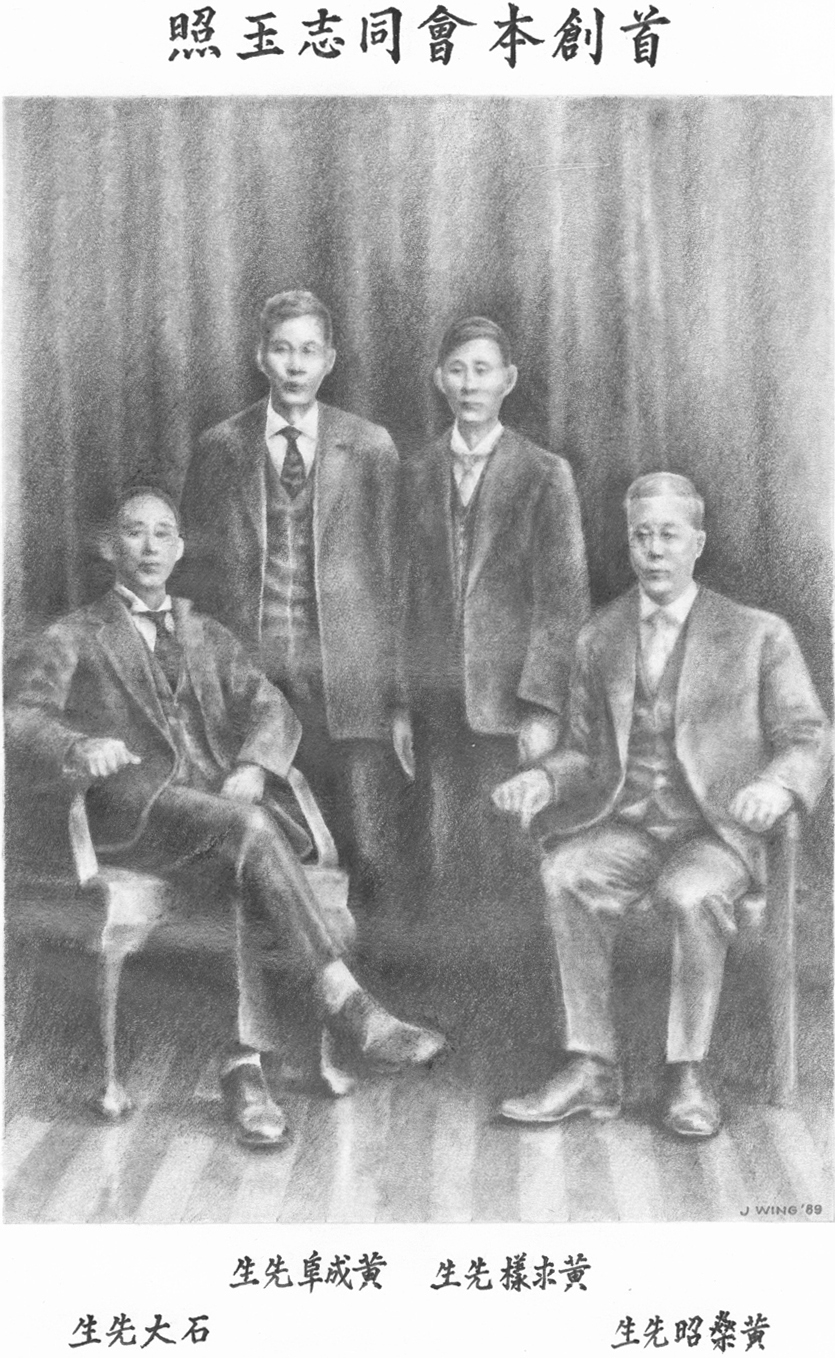
Thomas Wong Doo, Shack Tai, Wong Sing Fao & Wong Kew Yeong
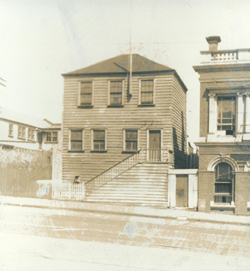
49 Hobson Street, Auckland
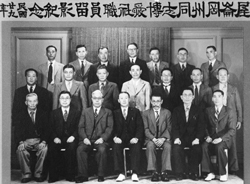
Kwong Cheu Club Committee - 1929
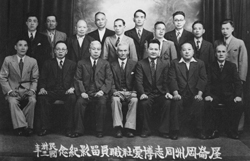
Kwong Cheu Club Committee - 1933
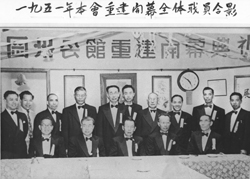
Kwong Cheu Club Committee - 1951
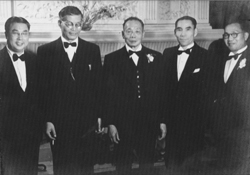
Kwong Cheu Club Committee Members responsible for the rebuilding of the club rooms in 1954